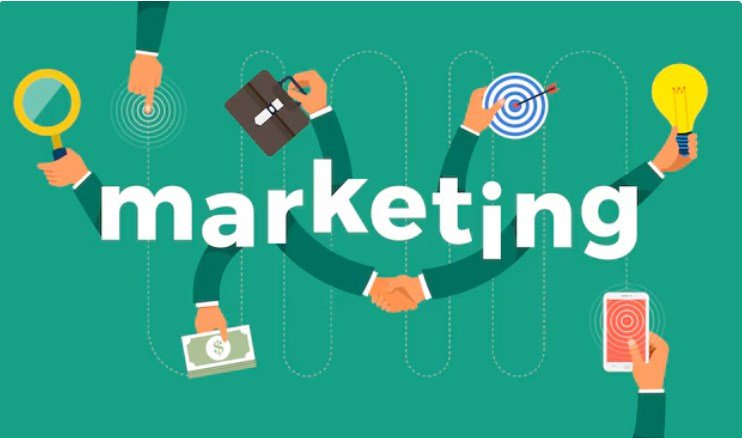

Definition Of Marketing
“The Action or Business of Promoting and Selling Products or Services, Including Product Understanding /market Research and Advertising. Called Marketing”
About Marketing
As the Definition States, We Promote and Sell Our Products or Services, and for This, We Use Digital Marketing as a Tool or Medium. However, Marketing Doesn’t Just Consist of These Things; These Are All Secondary Aspects. We Use Digital Marketing as a Tool, Whereas Many Things Come Before It and Many More Come After It That Complete Marketing as a Whole.
Product Understanding Means That We Should Know About Our Product, and if We Are Advertising a Service, We Should Know About It.
Understand Two Things About Digital Marketing
1. Strategic Implementation
If We Talk About Digital Marketing, There Are Two Aspects to Digital Marketing: Strategic Implementation and Technical Implementation. Let’s Understand the Difference Between These Two. Strategic Implementation Involves Defining Our Audience and Determining Which Marketing Medium or Platform to Select Based on Our Product, Such as Google Ads or Facebook Ads. What Type of Media to Use, Whether to Use Images, Videos, or Text. The Work We Do on All of These Aspects Falls Under Strategic Implementation.
2. Technical Implementation
For Example, if You’re Getting Graphics Created by Your Graphic Designer, That’s Not a Strategic Implementation; It’s a Technical Implementation. Strategic Implementation Has Already Been Implemented. When You Start Using Digital Marketing, It Means You’re Implementing Digital Marketing, and Marketing Strategies Have Already Been Developed, Meaning Strategic Implementation Has Already Been Implemented. Digital Marketing Means Implementing Marketing Strategies.
Concepts of Marketing
1. Product Differentiation
Product Differentiation Means How You Are Making Your Product Unique. Are You Bringing a Completely New Product to the Market That No One Has Introduced Before, or Have You Identified a Market Need and Are Bringing a Product Based on That? That is Basically Product Differentiation. You Have Differentiated the Entire Product, No One Else is Making That Type of Product. This is Called Product Differentiation, and You Do Your Marketing Keeping This Product Differentiation in Mind.
2. Quality Differentiation
For Example, if We Talk About Apple Company, They Always Rely on the Quality Differentiation Approach. Apple Company Uses the Quality Differentiation Concept in Its Marketing. They Highlight Their USPs Against Their Competitors and Use Quality Differentiation.
3. Price Differentiation
The Best Example of This Concept is Physics Wallah (PW). When Physics Wallah Launched Its Products in the Market, It Did So Based on Price Differentiation. They Are Able to Competet With Their Competitors Precisely Because of This Price Differentiation, as They Offer Their Courses at a Much Lower Price Than Other Coaching Centers. This Has Created a Significant Price Difference Between Them and Their Competitors. Their Entire Marketing Concept is Based on Price Differentiation.
7 P’s of Marketing / Marketing Mix (4+3 P’s)
Anyone Who Has Studied Even a Little Marketing Will Have First Learned About the Concept of the 4 P’s of Marketing or the Marketing Mix.now You Can See That I’ve Written “7 P’s of Marketing,” and That’s Because the 4 P’s of Marketing Concept is Basically for the Product Industry. If You Are Bringing a Physical or Tangible Product to the Market, or if Your Company Wants to Market a Physical or Tangible Product, in That Particular Case, the Marketing Model or Tool We Use is the 4 P’s of Marketing. However, if We Are Marketing or Developing a Marketing Strategy in an Industry Where We Need to Market Services, Then an Additional 3 P’s Are Added, and in This Way, Our Complete Marketing Mix is created, Which We Call the 7 P’s of Marketing.
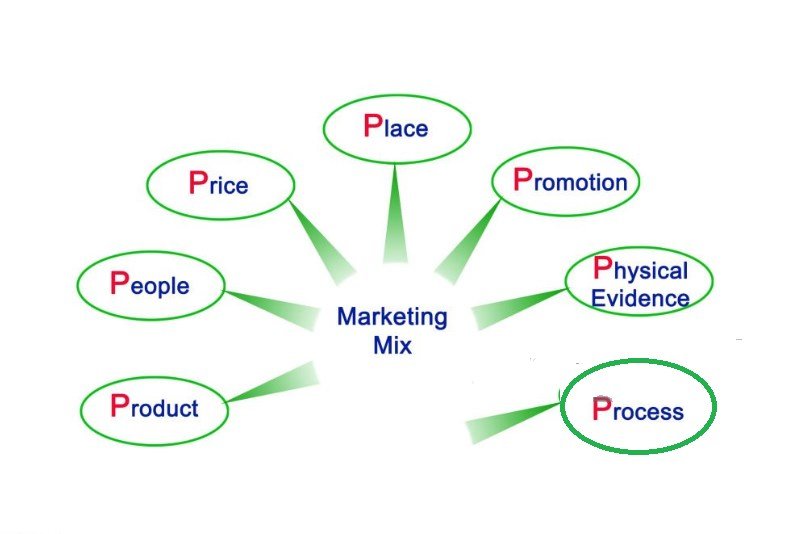
Keep in Mind That the 4 P’s of Marketing, or the 7 P’s of Marketing, Are Considered the Pillars of a Marketing Strategy. The Things We Need or Need to Focus on Before Creating a Marketing Strategy Come From the 4 P’s of Marketing.
1. Product
This Includes Aspects Related to the Product. For Example, if You Want to Launch a Product in the Market, You Need to Consider Its Form, Design, Quality, and Features. All These Product Attributes Should Be Clear From the Outset. All These Things Should Meet the Market’s Needs; Your Product Shouldn’t Be Flawed From the Beginning.
In Simple Terms, You Need to Focus on What Kind of Market Needs Your Product is Fulfilling. And Always Remember That Products or Product Features Don’t Change Very Quickly. Creating a Product Requires a Lot of Research, Resources, and Time. For Example, You Create a Product, and a Few Months Later You Realize That the Market No Longer Needs This Type of Product, and Now You Want to Change Your Product, but That’s Very Difficult.
2. Price
We Also Need to Work on Pricing Models to Determine the Right Price for Our Products. For Example, if You Introduce a New Product to the Market and Want to Reach as Many People as Possible, You Set a Low Price to Help It Easily Penetrate the Market. This is Called a Penetration Pricing Model. Price is a Revenue Model. It Can Be Free, Subscription-based, and Volatile, Meaning You Can Change Offers Over Time Based on Your Requirements. In Other Words, the Product Itself Cannot Be Easily Changed in a Marketing Strategy, but the Price Can Be.
3. Place
Place Refers to the Distribution Channel for Your Product and How It Will Reach Customers. Place is a Very Important Factor. Place Creates Demand and Also Fulfills That Demand. For Example, if We Create a Product and Make It Available in Different Stores, Those Stores Are Creating Demand for Our Product, and the Product Will Be Sold From There.
If We Have an E-commerce Website and Are Running Facebook Ads, in This Case, Facebook Ads Will Be Our Promotion Channel, and Our Website Will Be the Distribution Channel, Because People Will Shop From Your Website.
4. Promotion
As We Mentioned Above, Facebook Ads Are a Promotional Channel. Promotion of Our Products or Services Can Be Done in Various Ways, Such as Through Advertising, Direct Sales, or Digital Marketing.
5. People
In the Service Industry, People Matter a Great Deal Because You Deliver Services Through Them. For Example, if You Are Taking Coaching Classes Somewhere, the Product Itself Doesn’t Matter as Much as the Person Who is Teaching. Therefore, the Role of People Becomes Very Important. You Need to Pay Attention to the Qualifications of Your Staff Members and Whether They Are Properly Trained.
6. Process
Process is a Very Important Aspect of Any Service-based Business. Without a Solid or Streamlined Process, You Won’t Be Able to Scale Any Service-based Business. The Fact That a Pizza Ordered From Domino’s or Swiggy is Delivered in 30 Minutes, or Amazon’s Same-day Delivery, Are Examples of a Solid Process. Therefore, in the Service Industry, You Need to Work on Your Processes.
7. Physical Evidence
When You Go to a 3-star Hotel for a Meal and Then to a 5-star Hotel, You Can Immediately Tell the Difference From the Atmosphere, Ambiance, and Interior Design. This is a Type of Physical Evidence That Distinguishes a Normal Hotel From a 5-star Hotel.
What is the SWOT Analysis / Metric?
SWOT Analysis is Also Called SWOT Metric. You Can Perform a SWOT Analysis of Your Company, Organization, Any of Your Products or Services, or Even Your Website. So Let’s First Try to Understand What SWOT Stands for and Why It is Such an Important Concept in Marketing.
Meaning Of SWOT Analysis /Metric?
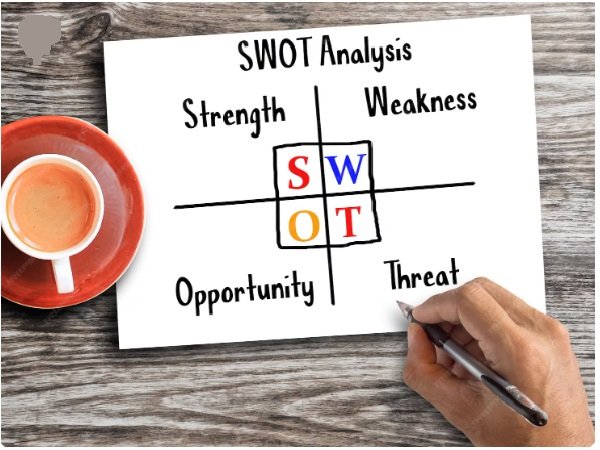
In SWOT Analysis, “S” Stands for Strengths, “W” for Weaknesses, “O” for Opportunities, and “T” for Threats. So, if You Are Launching Any Product or Service in the Market, or if You Have a Company or a Website, You Can Perform a SWOT Analysis. You Can Note Down Its Strengths. Since You Are Familiar With Your Company, Website, Product, or Service, You Can Also Note Down Its Weaknesses. You Can Identify Opportunities; for Example, if You Are Launching a Digital Marketing Agency in the Market, You Know What Opportunities Exist for a Digital Marketing Agency, in Which Areas and Industries These Opportunities Lie, and How You Will Bring Your Projects to Fruition. Therefore, You Can Identify Opportunities for Your Website, Company, Product, or Service. Threats Mean That When You Bring a Product or Service to the Market or Market Any Business, Many Problems Also Arise, So You Need to Analyze Those as Well.
Strength
If We Talk About Our Strengths, We Know That Our Team is Our Strength, Our Unique Selling Propositions (USPs) Are Our Strengths, and Our Brand Value is Also a Strength. There Can Be Many Other Things That Constitute the Strengths of Our Business, Meaning the Qualities and Uniqueness of Our Business or Website That Are Not Present in Any Other Company or Business Are Our Strengths.
Weaknesses
When We Talk About the Weaknesses of Our Business, if Our Team is Not Working Properly, Then Our Team Can Be a Weakness. Not Being Able to Provide Proper Services Can Be a Weakness. Not Having Proper Resources Can Be a Weakness. Not Having a First Mover Advantage (FMA) Can Also Be a Weakness. Entering the Market Very Late Can Also Be a Weakness. Not Being Able to Manufacture Products Quickly Can Also Be a Weakness. So, We Can Have Many Weaknesses, and You Need to Note All of Them Down So That It Becomes Easier for You to Create a Marketing Strategy.
Opportunities
While Doing Business, We Often Encounter Various Opportunities, Such as “Capitalizing on Trends, Government Rules,” Etc. Sometimes, the Government Introduces Rules That Allow You to Sell Certain Products in Specific Locations. However, Sometimes These Rules Can Backfire, Preventing You From Selling a Particular Product in a Specific Area, Which Can Then Become a Threat.
Threats
External Problems That Arise While Doing Business Are Called Threats. For Example, “Consumer Trends.” Consumer Behavior is One of the Most Dynamic Things; You Never Know When Their Minds Will Change. You’ve Probably Seen This in Your Real Life. And When We Talk About the Fashion Industry, You’ve Likely Observed That Consumer Perception and Behavior Change Very Rapidly. Therefore, Consumer Trends Can Be a Type of Threat. You Should Identify Whether Consumer Behavior Changes Rapidly in Your Industry. If Consumer Behavior Changes Quickly, You Shouldn’t Manufacture Products That Take a Long Time to Produce.
Internal and External Factors in SWOT Analysis
Note That in SWOT Analysis, Strengths and Weaknesses Are Both Internal Factors. Internal Factors Are Those That We Can Control and Modify. We Can Improve Both Our Strengths and Weaknesses. Opportunities and Threats, on the Other Hand, Are External Factors. External Factors Are Those That Are Outside Your Control or Those That Are External to Your Organization or Business. Therefore, We Generally Cannot Control Opportunities and Threats.
Pricing Strategies For Marketing
Skimming Pricing Model
The Basic Meaning of the Skimming Pricing Model is That When We Launch a Product or Service in the Market, We Initially Set a Slightly Higher Price for That Product or Service. Then, Over Time, We Gradually Decrease the Price. This Pricing Model is More Commonly Used for Technology-based Products or Services.
Examples: Mobile Phones and Laptops, Etc.
Penetration Pricing Model
As the Name Suggests, Under This Pricing Model, We Penetrate the Market With Our New Product or Service. Let’s Say We Are About to Launch a New Phone in the Market. Now, if There Are Already Many Mobile Companies in the Market, Then Penetrating That Market Becomes Very Difficult for Us. However, There is a Factor That Helps Us a Lot in Market Penetration, and That Factor is the Price. This Means That When We Launch Our New Product or Service in the Market, We Initially Keep Its Price Very Low, and This Will Definitely Help Us Penetrate the Market. You Might Incur Some Small Losses Initially. This is Called the Penetration Pricing Model.
Value-Based Pricing Model
In This Pricing Model, the Price You Set for Your Product or Service is Based on Its Value and Usefulness. This Model Considers How Useful, Beneficial, or Important the Customer Perceives the Product/Service to Be.
Dynamic Pricing Model Model
A Pricing Model That Can Be Changed at Very Short Intervals is Called a Dynamic Pricing Model. This Type of Pricing Model is Commonly Used for SAAS Products (Software as a Service). This Pricing Model is Quite Flexible, and Business Owners Can Easily Change the Prices of Their Products or Services.
Competition Based Pricing Model
A Business Technique Known as the Competition-based Pricing Model Involves Enterprises Basing Their Product or Service Prices on Those of Their Direct Competitors. Under This Strategy, Businesses Determine Their Prices by Looking at What Their Rivals Are Charging for Comparable Goods or Services.
Psychological Pricing Model
When Determining Prices, a Psychological Pricing Model Considers the Mental Processes and Behavior of Consumers. Even if the Real Difference is Negligible, the Objective is to Make the Price Appear Lower or More Appealing to the Buyer.
Examples:
₹999 Instead of ₹1,000
₹49 Instead of ₹50
Using Phrases Like “Only for ₹199”
Premium Pricing Model
This Pricing Technique Involves Purposefully Setting a Product or Service’s Price High in Order to Present It as Superior, Exclusive, and Luxurious. Simply Put, a Premium Pricing Model is Used When a Business Wants to Market Its Product as “The Best” and Sets Its Prices Accordingly.
Difference Between Marketing and Sales
Marketing
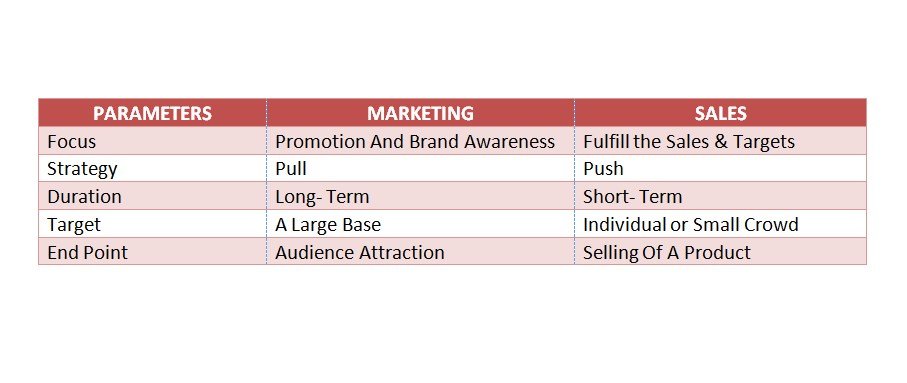
Marketing is the Process of Getting People Interested in the Goods and Services Being Sold. For Example, if You Need to Market Your Company, Your Focus Isn’t Directly on Sales. Sales is a Separate Process. The Job of Marketing is to Inform People About Your Product or Service. People Should Know That You Offer These Products or Services.
Example: Lead Generation Campaigns on Facebook is Marketing
When You Run Facebook Ads, You’re Not Directly Selling Anything or Making Any Conversions; That is, You’re Not Generating Revenue. You Are Generating Leads. So, When You Run Facebook Ad Campaigns, It Means You Are Doing Marketing.
Sales
Sales Refers to All Activities That Lead to the Selling of Goods and Services. For Example, Let’s Say 100 People Came Through Our Marketing Efforts, and We Gave This Information to Our Sales Team. Then, a 10% Conversion Rate Resulted in 10 People Converting. Dealing With These 100 People and Selling Our Product or Service is the Job of Our Sales Team. Therefore, Sales Includes the Activities That Lead to the Selling of Goods and Services. Branding is Not the Job of the Sales Team.
So in Conclusion Marketing and Sales Both Are Business Functions or Process Main Focus is to Generate Maximum Revenue.
Difference Between Marketing and Advertising
Marketing
Marketing Means Identifying the Needs of People or Customers and Bringing Products or Services to the Market Accordingly. Providing People With as Much Information as Possible About the Company, Product, or Stores is Called Marketing. Marketing is an Indirect Approach and a Process With a Unique Selling Proposition (USP) and Strong Content That Describes Your Business. Simultaneously, Marketing is a Long-term Strategy.
Advertising
Advertising is a Part of Marketing Whose Job is to Attract People’s Attention to a Message. The Direct Goal of Advertising is to Increase a Company’s Sales, and Advertising is a Direct Approach to Marketing. Under Advertising, We Use Various Channels Such as Social Media, Billboards, Hoardings, SMS Campaigns, and Email Marketing Campaigns. Advertising is a Short-term Strategy.
Marketing, the Marketing Process, and All Its Components Are Linked to a Larger Goal, Which is to Increase the Company’s Revenue.
Different Types Of Marketing
Ambush Marketing
Ambush Marketing is a Strategy in Which a Brand Team Attempts to Associate Its Products or Services With a Major Event That Already Has Official Corporate Sponsors. Put Another Way, Ambush Marketing is the Practice of a Business Taking Advantage of the Popularity of a Big Event (Like the World Cup, Olympics, or Ipl) Without Paying the Required Costs or Obtaining Sponsorship Rights.
Ambush Marketing is a Cunning but Dangerous Tactic. It May Be Advantageous if Done Properly and Within the Bounds of the Law; if Not, It May Result in Legal Issues.
Agile Marketing
Agile Marketing is a Flexible and Iterative Approach to Marketing Where Teams Work in Short Cycles, Measure Performance Continuously, and Make Quick Adjustments Based on Market Trends and Customer Behavior. To Put It Another Way, Agile Marketing is a Contemporary Marketing Strategy in Which a Company’s Marketing Team Quickly Plans, Tests, Learns, and Improves. The Agile Methodology Used in Software Development Served as the Inspiration for This Strategy.
Guerrilla Marketing
Guerrilla Marketing Refers to Unconventional Methods That Surprise, Amaze, or Shock People. It’s a Marketing Strategy That Uses Non-traditional, Creative, and Low-cost Methods to Promote a Company, Instead of Standard Advertising.
It’s a Marketing Tactic That Uses a Low Budget, High Creativity, and Original Concepts to Grab People’s Attention Quickly and Memorably. Guerrilla Marketing Works Best for Companies That Want to Gain Recognition on a Limited Budget. If Done Correctly and Within Legal Boundaries, It Can Be Quite Successful.
Moment Marketing
Moment Marketing is a Strategy Where Brands Create Promotional Content Instantly by Connecting With Real-time Events, Trends, or Public Sentiment.
In Today’s World, Moment Marketing Should Be a Part of Your Overall Marketing Strategy. Brands Want to Insert Themselves Into the Daily Conversations of Their Users Since People Talk About Trends. One of the Most Effective Tactics in the Current Digital Era is Moment Marketing. The Brand That Gains Traction in Consumers’ Hearts and Minds is the One That Swiftly Recognizes and Capitalizes on Trends.